Tuesday, July 28, 2026

Why Use Native Plants?

Native Plants are What Nature Intended

Both nature and humanity wholly depend on native plants.


* Native plants are the foundation of healthy natural ecosystems. Plants, animals, fungi, and microorganisms have evolved together over millions of years. Their intricate web of relationships determines what can survive and thrive in a given place.

* Human activity has altered landscapes on an unprecedented scale, making the protection and restoration of native ecosystems essential.

* For people, planting native species creates resilient, low-maintenance landscapes that support pollinators, increase biodiversity, and help protect the ecosystems that sustain us.

Most Insects Need Specific Plants

Insect populations are declining across many regions, including many that species ecosystems depend on most. One major reason is the loss of the plants they need to survive.

The vast majority of North American caterpillar species, for example, can feed on only a small number of specific native plants.

Bolstering the Food Web

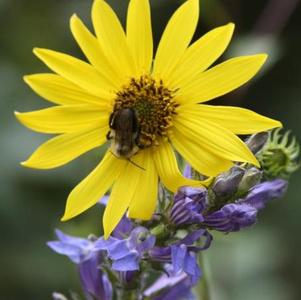
Pollinators—including birds, bees, and butterflies—that sustain local ecosystems and pollinate much of our food supply rely on native plants to complete their life cycles.

Specialized Adaptations Meet Specific Pollinator Needs

Many birds have coevolved with particular native plants and possess specialized features—such as the hummingbird’s long, curved bill and hovering flight—that allow them to reach into flowers insects cannot penetrate. They provide the only means for certain plant species to reproduce. Birds overall provide vital ecosystem services like insect pest control and long-range seed dispersal that insects generally do not.
Because native plants evolved alongside local insect pollinators, they provide the precise nectar, pollen, and host plants those species require. Many butterfly caterpillars, for example, can feed only on the leaves of specific native host plants. Insects that feed on native plants—especially caterpillars—are the primary food source for roughly 96% of terrestrial backyard birds raising their young.

Ecosystem Resilience

Native plants are naturally adapted to local climates and soils. They are better able to withstand weather extremes and changing climate conditions than many ornamental plants, while requiring far less human intervention.

Native Plant Benefits for You

Save Water and Money

Because they evolved in your region, native plants are adapted to local rainfall patterns and soil conditions, requiring less supplemental watering.

Avoid Chemicals

Once established, native plants require far less irrigation and fertilizer than turfgrass or many non-native ornamentals. They also reduce the need for chemicals that can harm people, pets, and pollinators.

Do Less Maintenance

Native plants have natural defenses against local pests and climate fluctuations, greatly reducing ongoing maintenance.

LINKS:

Why Use Native Plants 

How to Create a Native Garden

Native Plant Resources

CAGC - 2026 Project

Friday, July 17, 2026

How to Create a Native Garden

How to Create a Native Garden

Garden Creation Process


Whether you replace a plant, a small garden bed, or your entire landscape, every native plant you add makes a positive environmental impact. These are the key steps in creating a native plant-inclusive garden.

1. Evaluate

The first step is also the most important — understanding your site.

Determine:

- How much space you have
- How much sun and shade the area receives
- Whether your soil is sandy, clay, or loamy
- Whether it drains quickly or holds moisture

Nothing influences your success more than matching plants to your site’s conditions.

2. Specify

Create a list of plant characteristics based on your site’s conditions.

Be certain to consider: 

- Amount of sun and shade over the course of the day
- Soil type and moisture
- Preferred colors
- Plant form (habit)
- Desired maintenance level

Although most native plants require little care, some spread vigorously and may need occasional management.

3. Research and Select

Books, e-books, botanical gardens, native plant nurseries, and educational websites all provide valuable information. Particularly useful are online databases that let you search for plants based on your location and site conditions (see Native Plant Resources).

Visit nurseries and public gardens featuring native plants to discover what plants appeal to you, combinations you enjoy, and better understand what’s possible.

4. Design

Develop a planting plan based on mature size, bloom time, flower color, and plant form.

You can sketch your design, use online templates, and/or try digital planning sources and tools.  Homegrownnationalpark.org is at the top of our list.  Native Garden Planner.com can be helpful once you have an idea of what you want. 

AI design tools can also help, although less expensive versions may overlook important site considerations or unnecessarily complicate the process.  Native plant nurseries often provide basic design assistance.  Particularly if you are planning a large area, you might consider engaging a landscape professional to plan for you or with you. 

Planning should be enjoyable and educational. The more thought you invest, the more satisfying your garden will be. 

5. Foundational Design Guidelines

- Plant in drifts of at least three for visual impact and to help pollinators locate flowers.
- Place taller plants toward the back of beds and shorter plants in front.
- Include both warm and cool flower colors to attract a wide variety of pollinators:

Bees: blue, purple, violet, yellow, white
Butterflies: red, yellow, orange, pink, purple
Hummingbirds: bright red, pink, orange

6. Source

Demand for native plants continues to grow, although retail nurseries still focus primarily on non-native ornamentals.  Therefore, some native species can be difficult to find.

To avoid frustration, consider plant availability early in your planning, order ahead from native plant suppliers, build alternatives into your plan, and check online plant availability lists from native retailers. 
Here’s a list of local native plant growers:        ______________

7. Install

- Prepare the planting area by removing existing turf or weeds.

- Consider planting in early morning or late afternoon, when transplantation is less stressful for plants.

- Dig a hole two to three times wider than the root ball but no deeper than the container. Loosen the roots before placing the plant into the hole to encourage them to spread into the surrounding soil.

- Consider adding mycorrhizal fungi to the root zone to improve nutrient uptake and root establishment.

- If you plan to use mulch, position the plant’s root collar—the point where the roots become the stem—slightly above the surrounding soil level. When approximately 2 inches of mulch is added, the plant will be at the ideal level.

- Water thoroughly and immediately start the water schedule below. 

8. Care

- Water new plants three times a week for their first four weeks unless rainfall provides at least one inch of water in a week.  After that, let nature do most of the work, watering only during extended dry periods.

- Use mulch if you want to retain soil moisture, especially in the first season. This can be very helpful if you have dry soil and/or a windy site.   Keep mulch at least 2 inches away from the stem to prevent stem rot.  Over time, plants will fill out and mulch may not be required - this depends on your site’s conditions and your watering approach. 

- Ensure the mulch chosen does not include chemical dyes or additives. Leave stems and fallen leaves in place over the winter in plant beds - they provide habitat for beneficial insects, food for birds, and provide organic matter that enriches the soil. 

Tuesday, July 14, 2026

CAGC - 2026 Project
Gloucester City Hall Centennial Garden Restoration

Ad Hoc Committee: Maggie Rosa, Alison Pesky, Pat Cronin, Co-Chairs Peg Ris, Linda Von Rosenvinge Advising: Hinda Simon, Deb Fichera, Roker Schenk

Project Vision To make an inspirational contribution toward creating a more climate-resilient, biodiverse ecosystem in  Gloucester’s City Center, in step with our club’s heritage of civic engagement and service.  
 

Mission: Rejuvenate the garden beds on the Warren Street side of Gloucester City Hall, focusing on drought-resistant, lower  maintenance/native plants which collaborate with existing trees to support pollinators, yet create an attractive  entrance to City Hall. (The understory is critical to garden ecosystem health, driving biodiversity, nutrient cycling,  water retention, and providing essential food and shelter for pollinators and wildlife – the biodiversity “hotspot.”)

Win for the Environment: Creates a micro-habitat for pollinators and contributes to a neighborhood-wide greening and climate resilience initiative. 

Win for the People of Gloucester: Improves the urban environment and educates residents and visitors about the  benefits of sustainable gardening (through demonstration and educational signage). Ultimately, creates a shady,  rich mini-park for the senior center and lower income residents in the area.  

Win for Cape Ann Garden Club: Fulfills our commitment to civic service with a visible, meaningful project that  extends our work in sustainable, pollinator-focused gardening. Provides education and hands-on experience for  our members. 

Ad Hoc Committee Work to Date 

  • Established a clear scope and approach, with prioritized objectives Built relationships with partners contributing to City Hall neighborhood greening 
    (400 Trees, G2, Generous Gardeners, Sawyer Free Library) 
  • Tested the soil in the Warren Street beds 
  • Acquired local expert insights via interviews, talks and research - identified challenges & opportunities
  • Created work plan and key plant selection criteri

Notable Project Components  
  • Educational signage for the public 
  • Multiple member-involvement opportunities: Research (e.g. plant acquisition, salt barriers,) bed  preparation, plant installation, educational signage, maintenance 
  • “Best practice” member workshop(s): Expert-led, addressing planting and maintenance tasks 
  • Timing: Early Spring 2026 through Spring 2027 

Saturday, May 30, 2026

Plants Native to the Coast of North Eastern Massachusetts

Is it Native? Will Pollinators Benefit?

While working in the garden this spring, I checked out many of the plants using the app Plant Net to try to ID them. Followed by an inquiry on the web about whether the plant was native to this area. To my surprise, some of the plants I had encouraged are NOT native, some I had been pulling out were native pollinator-beneficial and some things I have planted are Native!
 
The following is from the Native Plant Trust
Filters: Perennial, Pollinator Powerhouse Plant, NE Coastal Zone 

 
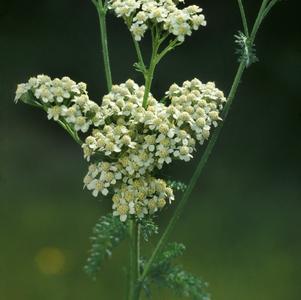
Achillea millefolium
common yarrow
 
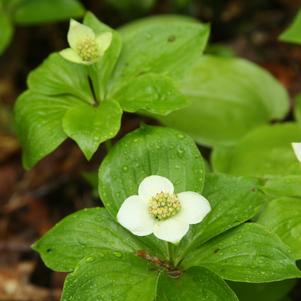
Chamaepericlymenum canadense
bunchberry
 
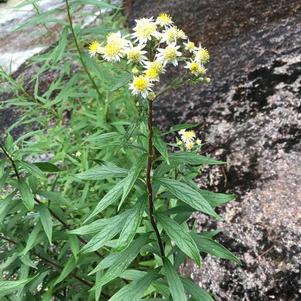
Doellingeria umbellata
flat top aster
 
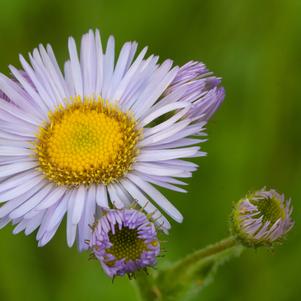
Erigeron pulchellus
Robin's plantain fleabane
 
Eupatorium hyssopifolium
hyssop leaved boneset
 
Eupatorium perfoliatum
boneset
 
Eurybia divaricata
white wood-aster
 
 
Eurybia macrophylla
big leaf aster
 
 
Eurybia schreberi
Shreber's wood-aster
 
 
Fragaria vesca
woodland strawberry
 
 
Fragaria virginiana
wild strawberry
 
 
Geranium maculatum
wild geranium


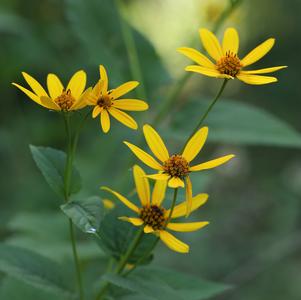
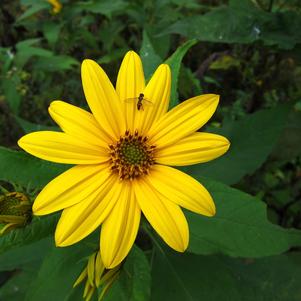
Helianthus decapetalus
thin-leaved sunflower


Helianthus divaricatus
woodland sunflower


Helianthus tuberosus
sunchoke


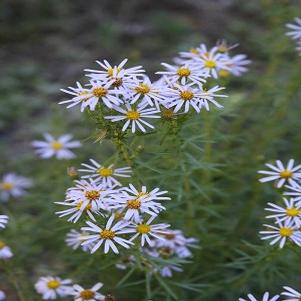
Ionactis linariifolia
stiff aster


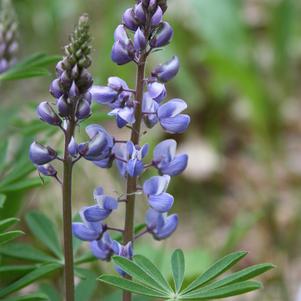
Lupinus perennis
sundial lupine


Polygonatum biflorum
King Solomon's seal


Polygonatum pubescens
downy Solomons seal


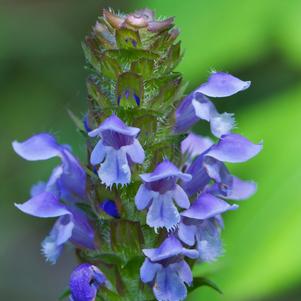
Prunella vulgaris
common selfheal


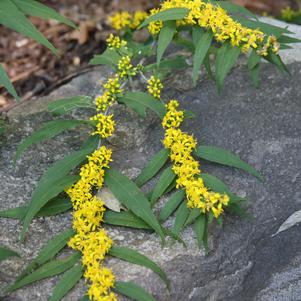
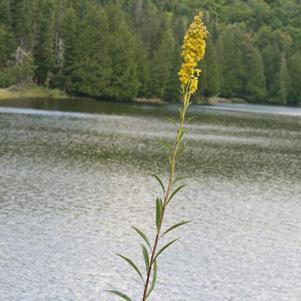
Solidago bicolor
white goldenrod


Solidago caesia
wreath goldenrod


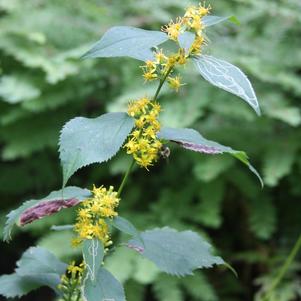
Solidago flexicaulis
zig-zag goldenrod


Solidago nemoralis
gray goldenrod


Solidago odora
sweet goldenrod


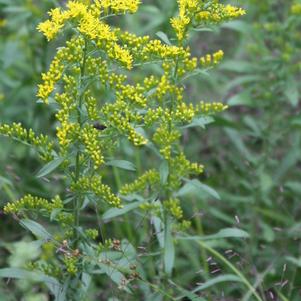
Solidago puberula
downy goldenrod


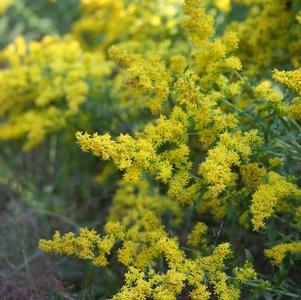
Solidago rugosa
rough goldenrod


Solidago sempervirens
sea side goldenrod


Solidago uliginosa
bog goldenrod


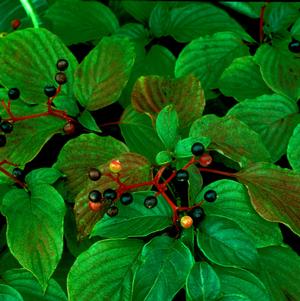
Swida alternifolia
pagoda dogwood


Symphyotrichum cordifolium
blue wood aster


Symphyotrichum laeve
smooth aster


Symphyotrichum novae-angliae
New England aster


Symphyotrichum novi-belgii
New York aster


Verbena urticifolia
white vervain


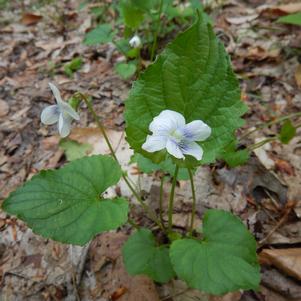
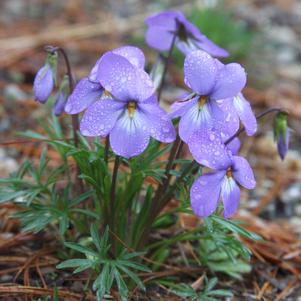
Viola pedata
birds foot violet


Viola sororia
woolly blue violet